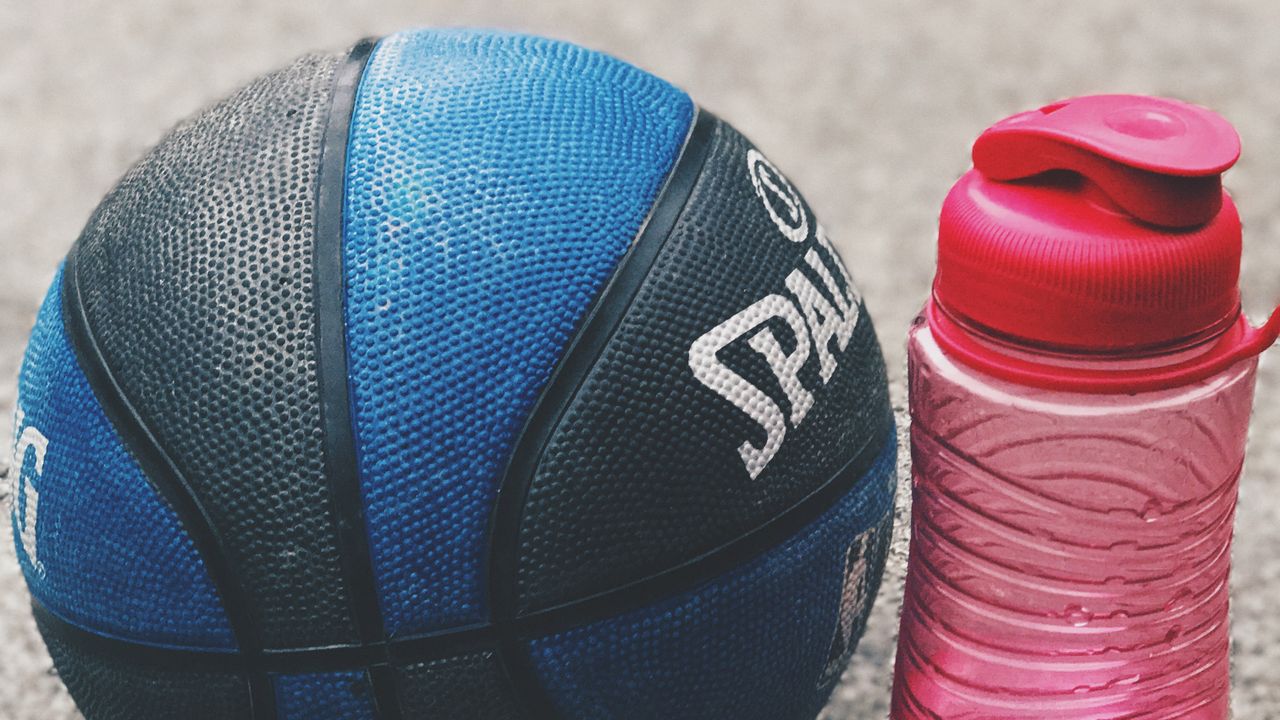
A sports water bottle spout design that works beautifully on a development sample can behave completely differently at production scale. The sample is made by hand, often using the best available materials and by operators who are paying careful attention to each piece. Production runs are made at throughput speeds that prioritize efficiency, with components sourced in bulk, by operators running dozens of parts per hour. The gap between these two contexts is where spout design problems tend to surface — and where buyers who didn’t anticipate those problems find themselves dealing with consumer complaints and returns instead of reorders.
Direct-drink spouts: simple in concept, fussy in execution
The direct-drink spout — a fixed nozzle the user puts their lips directly against — is the most common sports bottle design and the one that looks simplest from the outside. The inner geometry that controls flow rate and prevents dripping is what makes it tricky. Too wide and the bottle floods when tilted; too narrow and the flow rate frustrates users who want to drink while moving. The right balance depends on the bottle’s internal pressure during use and the angle at which most users drink.
In production, the spout’s dimensional consistency is what determines how reliably it performs. An injection-molded spout from a well-maintained mold with stable process parameters produces consistent flow characteristics. A mold that has begun to wear — which happens gradually, with no visible signal until the parts start showing variation — produces spouts with slightly different internal dimensions, which produces slightly different flow characteristics, which eventually generates consumer complaints about leaking or inadequate flow that seem random but actually reflect a production drift.
A supplier whose spout molds are routinely checked and maintained keeps this variation within tolerance. A supplier that runs molds to failure — and many do — will eventually ship a production batch with spout performance that doesn’t match the approved sample. Asking a manufacturer directly about their mold maintenance schedule is an unusual question that tends to produce useful information about how seriously they manage tooling.
Straw lids: the seal engineering challenge
Straw lid designs — where a folding or bite-activated straw delivers water through the lid — introduce a sealing challenge that direct-drink spouts don’t have: the straw needs to create a seal at both ends (the straw tip and the connection to the bottle interior) while remaining easy to open and close thousands of times. The bite-and-sip valve design, where a silicone valve at the straw tip opens under slight suction and closes by itself, is particularly sensitive to silicone durometer specification.
A silicone valve that is too hard requires too much suction pressure to open — which is especially noticeable for children’s bottles. One that is too soft opens under gravity when the bottle is inverted and leaks without any user input. The correct durometer sits in a narrow range, and silicone raw material varies by supplier batch. A manufacturer without incoming quality control on their silicone raw material — specifically durometer testing on each incoming batch — will periodically receive material that falls outside the acceptable range and produce valves that fail in the field.
This is a supply chain problem, not a design problem, and it’s one that only surfaces after production quantities have been made and distributed. The manufacturer’s response to it — whether they test incoming materials, what they do when a batch fails, whether they can trace which finished goods contain which material batches — reveals a lot about their quality management maturity.
Collapsible straw mechanisms: the hinge failure mode
Straw lids with a collapsible straw — the straw folds down when the lid is closed, reducing the overall height of the bottle — have an additional failure point in the hinge mechanism. The hinge allows the straw to pivot from vertical to horizontal, and the pivot point is under repeated stress every time the bottle is opened and closed.
In a drinking bottle manufacturer’s development sample, the hinge is typically made with careful attention to wall thickness at the flex point and appropriate selection of the plastic formulation. In bulk production, variation in wall thickness at the flex point — which is a consequence of injection molding process variation and mold wear — can produce hinges that crack after a hundred uses rather than the thousands the design is intended for.
Testing this requires accelerated life cycling — opening and closing the lid thousands of times in sequence — which is not part of a standard product inspection. It is, however, a test that matters for the category, because a straw hinge failure in the first month of use generates a return and a negative review regardless of how well everything else about the bottle performs.
The flip-top straw cover: when button spring force matters
Straw lids with a flip-top cover — a hinged cap that covers the straw tip when closed — involve a spring mechanism that holds the cover closed against accidental opening and snaps it open fully when pressed. The spring force is determined by the geometry of the hinge and the material properties of the plastic.
A spring force that is too weak allows the cover to pop open in a bag or backpack, which soaks everything in the bag. A spring force that is too strong requires significant thumb pressure to open, which is difficult for children and annoying for anyone using the bottle repeatedly during a workout. The correct spring force is a function of geometry and material, both of which vary in production.
The specific production risk is that plastic material properties shift when the injection molding process parameters drift — a slightly higher melt temperature produces a slightly more flexible part, which produces a lower spring force, which eventually produces customer complaints about spontaneous opening. This is a process control problem, not an inherently bad design, but it requires a manufacturer with active process monitoring rather than one that only checks parts at the end of the line.
What to test before placing a production order
For any sports bottle with a spout or straw mechanism, two tests should happen before committing to a production quantity. The first is a leak test under realistic use conditions: fill the bottle, orient it in every position a user is likely to hold it, and confirm the spout or valve doesn’t leak under any of them. The second is a durability cycle test: open and close the lid mechanism repeatedly — 500 cycles minimum, 1,000 for a product targeting serious athletes — and check whether the mechanism still functions and whether any component shows visible fatigue.
Neither test is expensive or time-consuming, and both catch failure modes that visual inspection misses entirely. A manufacturer who pushes back on doing these tests before production approval is a manufacturer who doesn’t want the buyer to discover what their production process actually produces.